Welcome to Our Company




 Send Inquiry
LABORATORY FURNACE
Price 50000 INR/ Set
MOQ : 1 Degrees Fahrenheit
LABORATORY FURNACE Specification
- Number of Specimens
- 1
- Accuracy
- ±1°C
- Gas Pressure
- Atmospheric
- Port Size
- Standard
- Power Supply
- 230V AC, 50 Hz
- Specimen Size
- Custom/Varies by application
- Frequency
- 50 Hz
- Operating Voltage
- 230V AC
- Interface Type
- Manual/Digital controls
- Test Range
- Ambient to 1200°C
- Resolution
- 1°C
- Max Height
- Varies by capacity
- Humidity
- 10% - 90% RH (Non-condensing)
- Features
- Muffle design, over-temperature protection, energy efficient insulation
- Application
- Heat treatment, ashing, sintering, material testing, laboratory research
- Mounting Type
- Benchtop
- Measuring Range
- Ambient to maximum temperature
- Temperature
- Up to 1200°C
- Equipment Type
- Laboratory Furnace
- Automation Grade
- Semi-Automatic
- Hardness
- High alumina refractory
- Display Type
- Digital
- Response Time
- Fast heating (depends on model)
- Usage
- Laboratory thermal processing
- Capacity
- 3-5 litres
- Machine Weight
- Approx. 20-25 kg
- Control Mode
- Digital temperature controller
- Thermocouple Type
- K type
- Heating Rate
- 5-10°C/min
- Heating Element
- Kanthal wire
- Door Type
- Front opening, insulated
- Safety
- Automatic shutoff at setpoint, door safety switch
- Internal Dimensions
- 100 x 100 x 225 mm (may vary as per model)
- Exterior Body Material
- Powder coated mild steel
- Cooling Type
- Natural air cooling
- Chamber Material
- Ceramic fiber or refractory
- Insulation Type
- High-density ceramic fiber or bricks
LABORATORY FURNACE About
A Laboratory Furnace is a high-temperature device used for material testing, heat treatments, and scientific experiments. It typically includes components such as heating elements (providing consistent temperature), insulation (for energy efficiency), and a temperature control system (for precise heat regulation). Manufactured with advanced engineering technologies, including high-grade refractory materials and digital control systems, laboratory furnaces are built using tools like CNC machines and welding equipment. Commonly used in industries like materials science, pharmaceuticals, and metallurgy, they ensure accurate results. These furnaces offer benefits such as reliability, precise temperature control, energy efficiency, and enhanced productivity for clients across various research and production sectors.
Precision Thermal Control
Achieve exceptional thermal stability with our digital temperature controller, maintaining 1C accuracy up to 1200C. The fast heating rate (5-10C/min) and K type thermocouple guarantee reliable and repeatable test conditions, essential for advanced heat treatment and material research.
Designed for Laboratory Safety
Safety is paramount in every aspect of this furnaces design, with features including an automatic shutoff at setpoints, a door safety switch, and energy efficient high-density ceramic fiber insulation. The exterior remains cool and safe to handle, while natural air cooling provides effective post-operation cooldowns.
Versatile and Customizable
Accommodating a range of specimen sizes, this benchtop furnace is ideal for various laboratory applications. The muffle design, flexible process range, and multiple control interfaces make it suitable for research, quality assessment, and development projects in diverse scientific fields.
FAQs of LABORATORY FURNACE:
Q: How do I operate the laboratory furnace for optimal results?
A: To operate the furnace, place your specimen within the chamber, set your desired temperature using the digital controller, and monitor the process via the digital display. The furnace will heat at a controlled rate (510C/min) up to your setpoint. For consistent results, ensure the chamber door is securely closed and observe the safety guidelines provided.Q: What safety features are included in this laboratory furnace?
A: The furnace is equipped with an automatic shutoff at the temperature setpoint and a door safety switch to prevent accidental operation when open. Its insulated front-opening door and energy-efficient ceramic fiber construction provide additional protection against heat exposure during use.Q: When should I use this laboratory furnace in my processes?
A: This furnace is ideal for applications such as heat treatment, ashing, sintering, and material testing that require controlled temperatures up to 1200C. It is suitable for laboratory research, quality control, and sample preparation across multiple scientific and industrial disciplines.Q: Where is this laboratory furnace best installed and used?
A: Designed as a benchtop unit, it should be installed in well-ventilated laboratory spaces with stable surfaces. Ensure proximity to a standard 230V, 50 Hz power supply for optimal operation. Its compact form makes it suitable for laboratories with limited bench space.Q: What is the specimen capacity and size compatibility of the furnace?
A: The chamber accommodates one specimen at a time, with an approximate capacity of 35 litres. Specimen size can be customized or varies based on the specific application, allowing for flexibility depending on experimental or process requirements.Q: How does the cooling process work after a heating cycle?
A: After your heating cycle completes, the furnace utilizes natural air cooling, gradually reducing the interior temperature. No active cooling system is necessary, but for safety, wait until the temperature is sufficiently low before opening the chamber.Q: What benefits does this furnace offer compared to traditional models?
A: This model provides accurate temperature control, rapid heating, energy efficiency via high-density insulation, and enhanced safety features. Its robust construction, user-friendly interface, and application versatility give it an edge for modern laboratory operations.
Tell us about your requirement

Price:
Quantity
Select Unit
- 50
- 100
- 200
- 250
- 500
- 1000+
Additional detail
Mobile number
Email

More Products in Civil Laboratory Testing Instruments Category
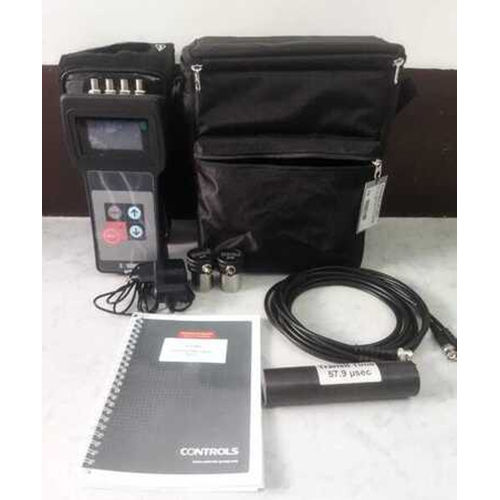
CONTROLS ULTRASONIC PULSE VELOCITY TESTER
Price 180000 INR / Kit
Minimum Order Quantity : 1 Millimeter
Power Supply : Rechargeable Liion battery, 12V DC / optional AC adapter
Usage : Material flaw detection, strength estimation, uniformity evaluation
Application : Nondestructive testing of concrete, rocks and building materials
Equipment Type : Ultrasonic Pulse Velocity Tester
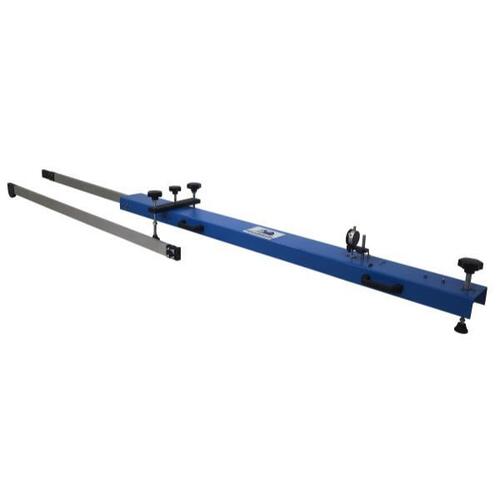
BANKELMAN BEAM APPARATUS
Price 20000 INR / Set
Minimum Order Quantity : 1 Meter
Power Supply : Not required (Mechanical device)
Usage : Civil Engineering, Road Construction
Application : Measurement of road pavement deflection
Equipment Type : Deflection Measurement Apparatus
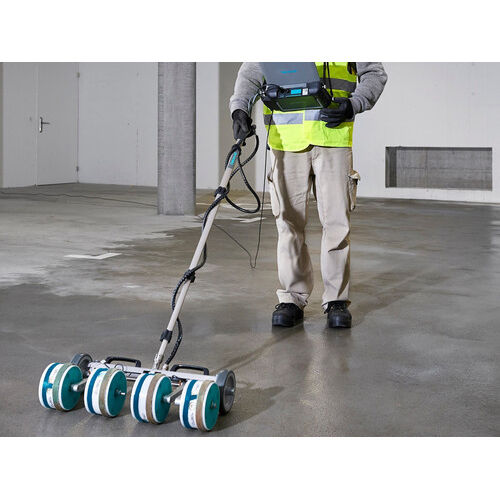
PROCEQ HALF CELL CORROSION TESTER
Price 500000 INR / Meter
Minimum Order Quantity : 1 Meter
Power Supply : 9V Battery (typical)
Usage : Onsite testing of reinforced concrete structures
Application : Corrosion potential measurement in reinforced concrete
Equipment Type : Half Cell Corrosion Tester
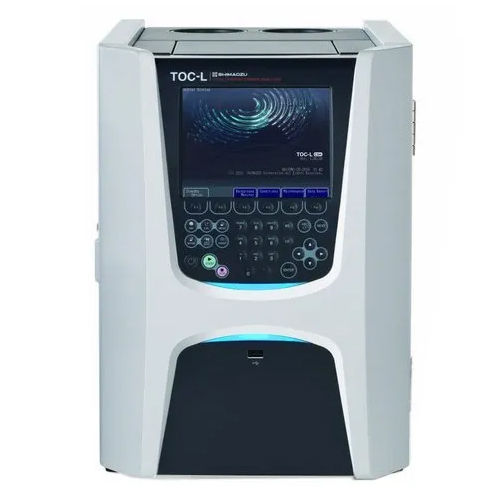
Carbon Analyzer
Price 1000000 INR / Unit
Minimum Order Quantity : 1 Unit
Power Supply : Electric
Usage : Industrial
Application : Laboratory Use

Contact Details

- 313/7, Nabapally, Nawbhanga, Salt Lake, Sector- 4,Kolkata - 700105, West Bengal, India
- Phone : 08045476896
ADRIJA SCIENTIFIC INSTRUMENT COMPANY
GST : 19EWWPD9150E1Z1
GST : 19EWWPD9150E1Z1

- Mr. Koushik Das (Business Head)
- Mobile : 08045476896
- Send Inquiry
 Send Inquiry
 Send Inquiry
 Send SMS
ADRIJA SCIENTIFIC INSTRUMENT COMPANY
All Rights Reserved.(Terms of Use)
Developed and Managed by Infocom Network Private Limited.
Developed and Managed by Infocom Network Private Limited.

