Welcome to Our Company




 Send Inquiry
PROCEQ HALF CELL CORROSION TESTER
Price 500000 INR/ Meter
MOQ : 1 Meter
PROCEQ HALF CELL CORROSION TESTER Specification
- Port Size
- Standard test lead ports
- Test Range
- -1000 mV to +1000 mV
- Accuracy
- ±0.5% of reading
- Interface Type
- Standard lead connectors
- Application
- Corrosion potential measurement in reinforced concrete
- Resolution
- 1 mV
- Power Supply
- 9V Battery (typical)
- Operating Voltage
- 9V DC
- Number of Specimens
- Single location measurement per reading
- Frequency
- DC measurement
- Temperature
- 0°C to 50°C (operating)
- Automation Grade
- Manual
- Equipment Type
- Half Cell Corrosion Tester
- Specimen Size
- Any, portable for field use
- Response Time
- approx. 1 second
- Measuring Range
- up to ±1000 mV
- Features
- Portable, robust, non-destructive, auto-power off
- Mounting Type
- Portable handheld
- Humidity
- 0 to 90% RH (non condensing)
- Display Type
- Digital LCD with backlight
- Usage
- On-site testing of reinforced concrete structures
- Capacity
- Continuous measurement with standard battery life
- Machine Weight
- Approx. 1.5 kg (instrument only)
- Test Speed
- Manual, field measurement
- Test Width
- Dependent on structure size
- Control Mode
- Battery operated, manual control
- Dimension
- 190 x 100 x 40 mm
- Compliance
- Meets ASTM C876 Standard
- Reference Electrode
- Copper/Copper Sulfate (CSE)
- Electrode Cable Length
- 10 m (custom lengths available)
- Carrying Case
- Included, rugged design
- Model
- Half-Cell Corrosion Tester
- IP Rating
- IP54 dust and splash protection
- Electronics Protection
- Encapsulated electronic boards
- Calibration
- Factory calibrated, user calibration check possible
- Data Storage
- Manual reading, optional logging feature
PROCEQ HALF CELL CORROSION TESTER About
The Proceq Half Cell Corrosion Tester is a portable device used to assess the corrosion potential of reinforced concrete structures. It includes key components like a reference electrode, a measuring probe, and a digital readout system. The reference electrode ensures accurate potential measurement, while the probe detects corrosion activity. Designed with advanced electronics and precision sensors, the tester uses manufacturing technologies such as microprocessor-based systems and robust materials. Common in construction, infrastructure, and civil engineering, it helps clients monitor and prevent corrosion, enhancing the lifespan and safety of concrete structures by providing early warning signs of deterioration.
Reliable Corrosion Assessment
Meet rigorous corrosion testing needs in reinforced concrete structures with PROCEQs Half Cell Corrosion Tester. This instrument is engineered for rapid, accurate field measurements, making it a crucial tool for identifying areas at risk of steel reinforcement deterioration. Its non-destructive testing and factory-calibrated precision deliver dependable results, backed by compliance with ASTM C876 standards.
Rugged and Field-Ready Design
Built with encapsulated electronic boards and housed in a durable carrying case, the tester is protected from dust and splash (IP54 rated), enabling use in harsh job-site environments. The compact, handheld design and battery-powered operation ensure easy portability for professionals conducting on-site inspections across various structure sizes.
Intuitive Operation and Data Handling
Quick manual readings and optional data logging provide flexible documentation options. A digital LCD with backlight guarantees clear visibility in different lighting conditions. User calibration checks maintain accuracy, while auto-power-off extends battery life for extended field sessions, supporting continuous measurement tasks.
FAQs of PROCEQ HALF CELL CORROSION TESTER:
Q: How does the PROCEQ Half Cell Corrosion Tester help in assessing the integrity of reinforced concrete structures?
A: By measuring the corrosion potential of steel reinforcement using the copper/copper sulfate reference electrode, the tester identifies areas susceptible to corrosion. This helps engineers and inspectors take timely maintenance decisions to preserve structural health.Q: What types of environments can the Half Cell Corrosion Tester operate in?
A: With IP54-rated dust and splash protection and operational temperature range of 0C to 50C, the instrument is suitable for diverse field conditions, from outdoor construction sites to indoor structural inspections.Q: When should periodic calibration checks be performed on the instrument?
A: Although the tester is factory calibrated, its recommended to perform user calibration checks regularly to maintain measurement accuracy, especially after frequent use or before conducting critical assessments.Q: Where can the device be used for corrosion potential measurements?
A: Its portable, handheld mounting and standard test lead ports allow testing across varied structure sizes and locations, making it suitable for bridges, buildings, parking garages, and other reinforced concrete assets.Q: What is the process for conducting a corrosion test using this equipment?
A: Connect the electrode cable, place the reference electrode on the concrete surface, and use the manual control to record the potential reading displayed on the LCD. Optional data logging enables digital storage for extended projects.Q: How does the device benefit field technicians and surveyors?
A: The tester provides quick, reliable, and non-destructive readings, helping professionals efficiently monitor corrosion activity, extend structure life, and reduce costly repairs through early detection.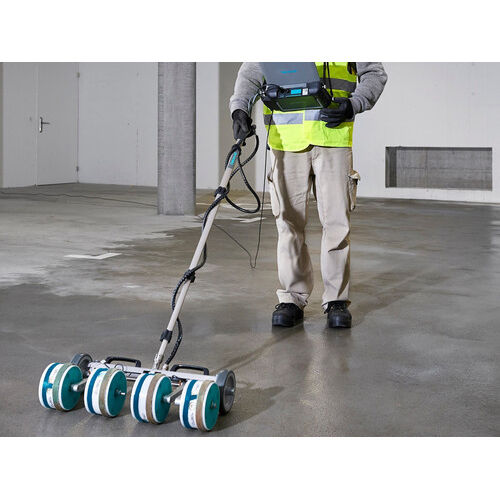
Tell us about your requirement

Price:
Quantity
Select Unit
- 50
- 100
- 200
- 250
- 500
- 1000+
Additional detail
Mobile number
Email

More Products in Civil Laboratory Testing Instruments Category
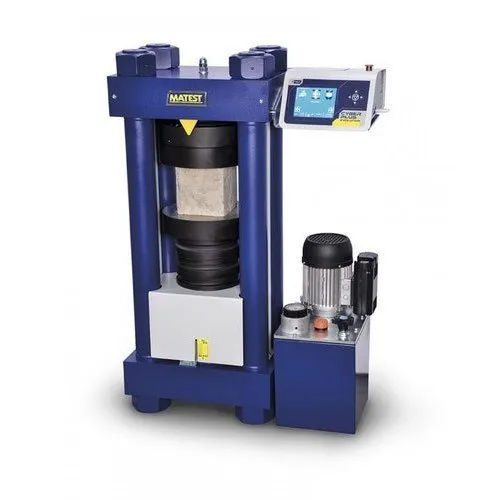
Concrete Testing Equipment
Price 230000 INR / Unit
Minimum Order Quantity : 1 Unit
Power Supply : Electric
Usage : Industrial
Application : Industrial Concrete Strength Testing
Color : Silver and Blue
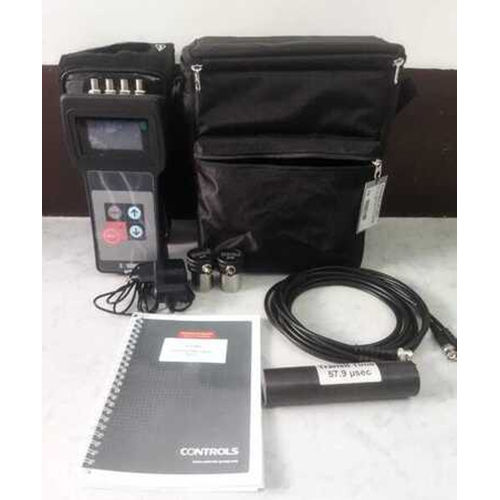
CONTROLS ULTRASONIC PULSE VELOCITY TESTER
Price 180000 INR / Kit
Minimum Order Quantity : 1 Millimeter
Power Supply : Rechargeable Liion battery, 12V DC / optional AC adapter
Usage : Material flaw detection, strength estimation, uniformity evaluation
Application : Nondestructive testing of concrete, rocks and building materials
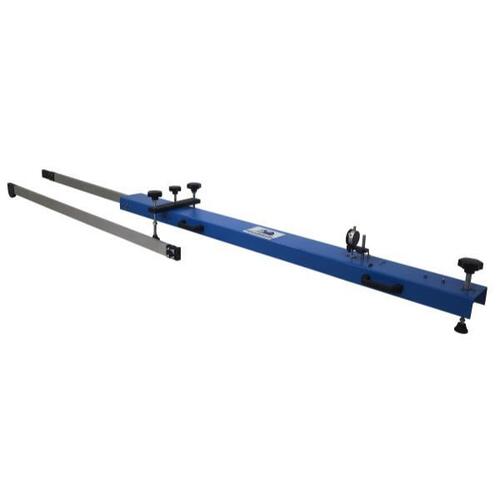
BANKELMAN BEAM APPARATUS
Price 20000 INR / Set
Minimum Order Quantity : 1 Meter
Power Supply : Not required (Mechanical device)
Usage : Civil Engineering, Road Construction
Application : Measurement of road pavement deflection
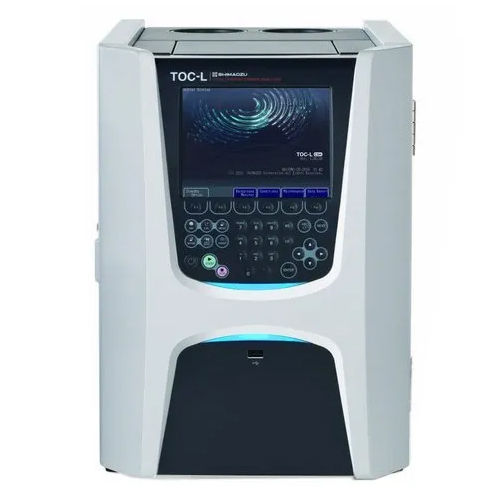
Carbon Analyzer
Price 1000000 INR / Unit
Minimum Order Quantity : 1 Unit
Power Supply : Electric
Usage : Industrial
Application : Laboratory Use
Color : White

Contact Details

- 313/7, Nabapally, Nawbhanga, Salt Lake, Sector- 4,Kolkata - 700105, West Bengal, India
- Phone : 08045476896
ADRIJA SCIENTIFIC INSTRUMENT COMPANY
GST : 19EWWPD9150E1Z1
GST : 19EWWPD9150E1Z1

- Mr. Koushik Das (Business Head)
- Mobile : 08045476896
- Send Inquiry
 Send Inquiry
 Send Inquiry
 Send SMS
ADRIJA SCIENTIFIC INSTRUMENT COMPANY
All Rights Reserved.(Terms of Use)
Developed and Managed by Infocom Network Private Limited.
Developed and Managed by Infocom Network Private Limited.

