Welcome to Our Company




 Send Inquiry
CONTROLS ULTRASONIC PULSE VELOCITY TESTER
Price 180000 INR/ Kit
MOQ : 1 Millimeter
CONTROLS ULTRASONIC PULSE VELOCITY TESTER Specification
- Automation Grade
- Semi-automatic with manual override
- Port Size
- Standard BNC connector ports for transducers
- Specimen Size
- Minimum 50 mm x 50 mm (cube) / up to large structural members
- Resolution
- 0.1 s
- Power Supply
- Rechargeable Li-ion battery, 12V DC / optional AC adapter
- Features
- Portable, compact, fast measurement, internal memory for 500 readings, auto-calibration, signal gain adjustment
- Test Range
- 0.1 s to 9999 s
- Mounting Type
- Handheld, tripod compatible
- Humidity
- Up to 90% RH
- Temperature
- Operating: 0C to 40C
- Display Type
- Digital backlit LCD
- Accuracy
- 0.1 s
- Operating Voltage
- 12V DC
- Hardness
- Not directly measured
- Frequency
- 54 kHz (Standard transducer frequency)
- Max Height
- Not specified, tests vertical elements
- Number of Specimens
- Single or batch testing
- Response Time
- Instantaneous (<1 second)
- Measuring Range
- 0.1 m/s to 4000 m/s
- Interface Type
- USB for PC connectivity and data download
- Application
- Non-destructive testing of concrete, rocks and building materials
- Equipment Type
- Ultrasonic Pulse Velocity Tester
- Usage
- Material flaw detection, strength estimation, uniformity evaluation
- Capacity
- Optimized for both lab specimens and onsite concrete structures
- Machine Weight
- Approx 2.5 kg (complete instrument with transducers)
- Test Speed
- Adjustable via user settings, typically 5004000 m/s range
- Test Width
- Conforms to standard specimen width (see specimen size)
- Test Stroke
- Preset according to test configuration, typically up to 100 mm
- Control Mode
- Microprocessor based automatic control
- Pulse Generation
- Piezoelectric ultrasonic pulse generator
- Dimensions
- Instrument: 220 x 160 x 60 mm
- Transducer Cable Length
- 2 meters (standard)
- Accessories Provided
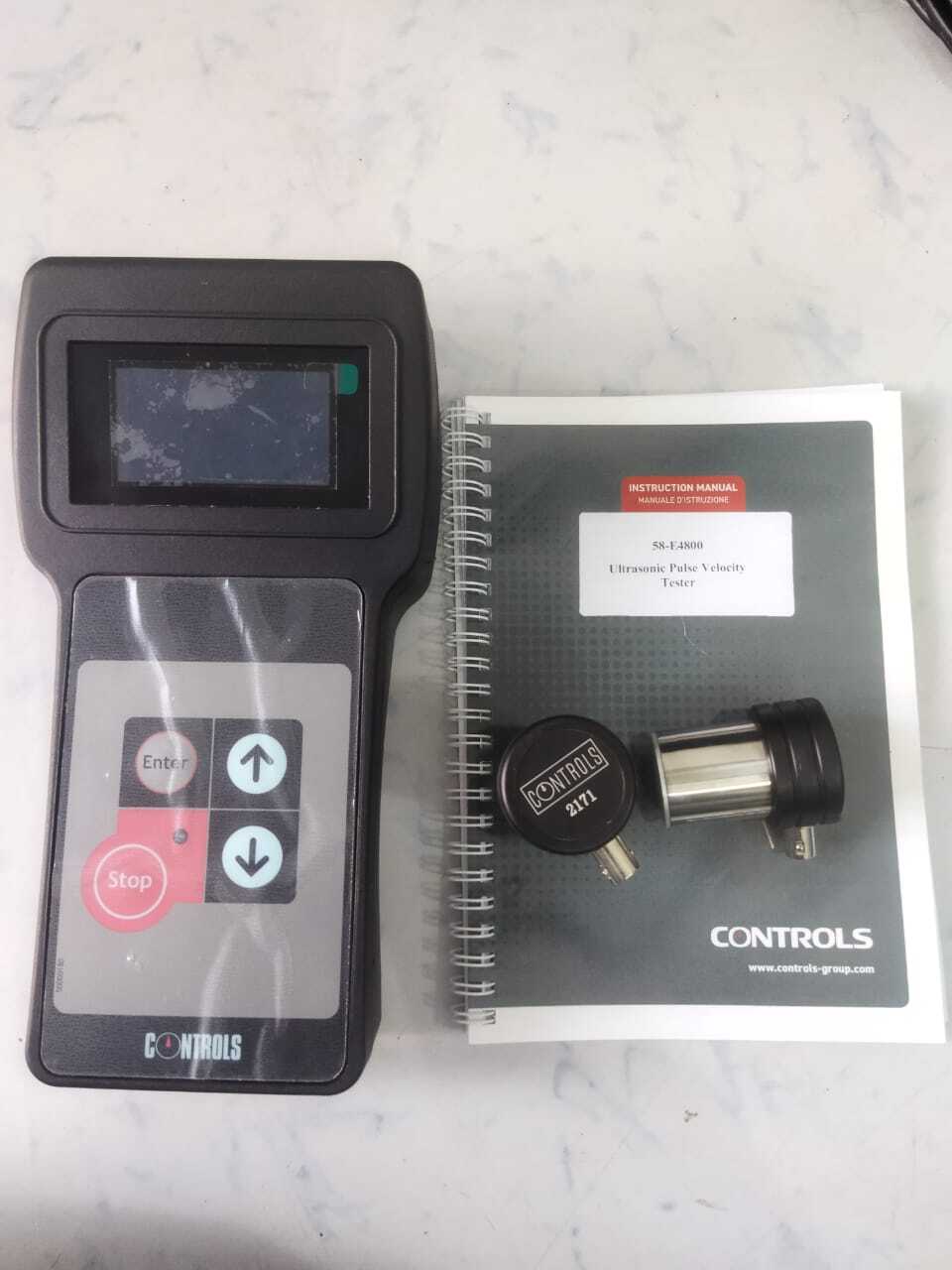
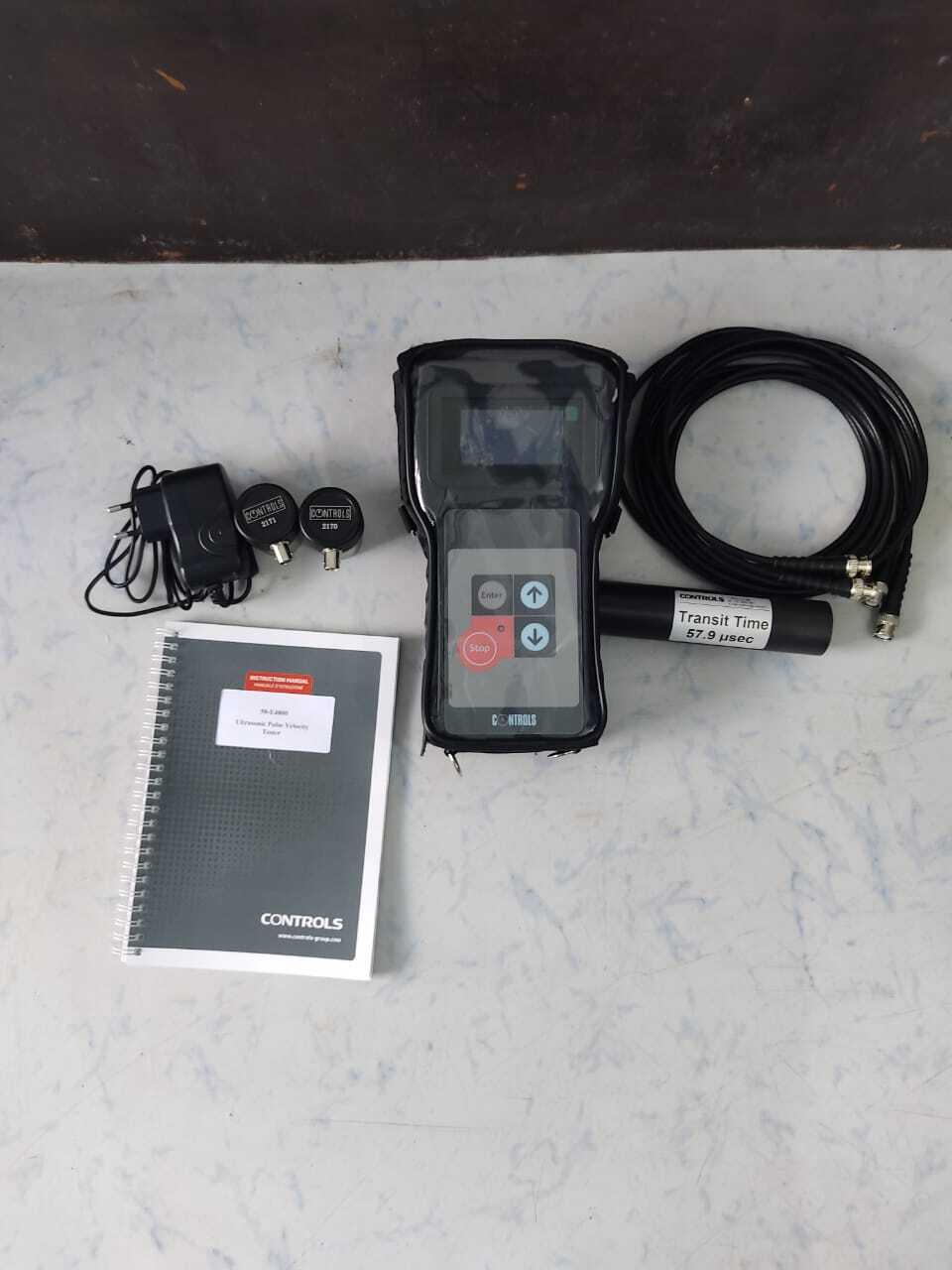
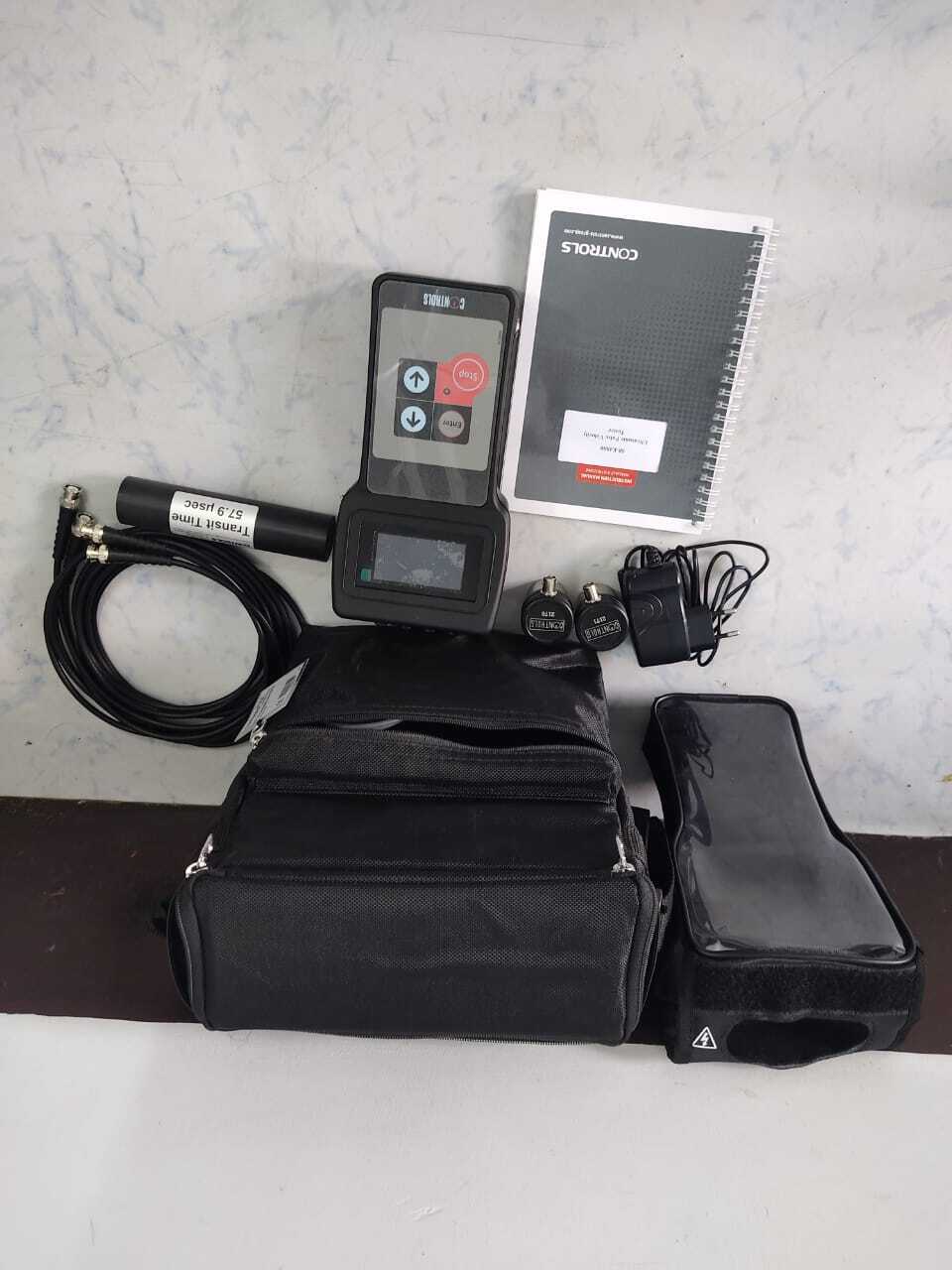
- Pair of transducers, calibration block, carry case, USB cable, charger
- Languages Supported
- English (additional languages on request)
- Battery Life
- Up to 8 hours of continuous testing
- Protection Class
- IP54 (splash and dust proof)
- Calibration
- Self-calibrating with reference block
- Data Storage
- Internal memory up to 500 test results
CONTROLS ULTRASONIC PULSE VELOCITY TESTER About
The Controls Ultrasonic Pulse Velocity Tester is a device used to assess the quality of concrete and other building materials by measuring the speed of ultrasonic pulses through the material. Key components include ultrasonic transducers, a digital display, and a signal generator, which together determine the materials integrity. Manufactured using advanced electronics and precision engineering, the tester operates on a reliable electric power supply. Used in construction, civil engineering, and infrastructure industries, it helps clients detect flaws such as cracks or voids in materials. It benefits clients by ensuring structural safety, optimizing maintenance, and enhancing material quality assessment in real-time.
Fast, Reliable, and Flexible Testing
Engineered for efficiency, the Ultrasonic Pulse Velocity Tester delivers instantaneous measurement results with a digital backlit LCD display. Users can conduct single or batch tests and adjust test speed according to material requirements. Whether evaluating concrete cubes or large structural elements, the instrument conforms to standard specimen sizes and ensures consistent performance in various environments.
Robust Construction & Complete Accessories
With an IP54-rated enclosure, the tester withstands challenging onsite conditions, including up to 90% humidity and temperatures from 0C to 40C. The supplied accessoriespair of transducers, calibration block, carry case, USB cable, and chargermake it ready for immediate deployment. Its 2-meter cable provides flexibility during testing, and tripod compatibility offers stable hands-free operation.
Intuitive Operation & Data Management
A self-calibrating system with a reference block streamlines setup and minimizes operator error. Internal memory retains 500 measurements for traceability, and USB connectivity allows for effortless data transfer to PC. Supported primarily in English, the system can accommodate other languages on request, enhancing usability for global users.
FAQs of CONTROLS ULTRASONIC PULSE VELOCITY TESTER:
Q: How does the CONTROLS Ultrasonic Pulse Velocity Tester perform concrete strength and uniformity evaluation?
A: The instrument uses an ultrasonic pulse generator to transmit pulses through the concrete. The velocity measured is correlated with material strength and uniformity, enabling accurate assessment of concrete quality without causing damage.Q: What is the typical process for conducting a test with this velocity tester?
A: To perform a test, the specimen is positioned between the pair of transducers, which are connected via standard BNC ports. The tester is calibrated using the supplied block, then measurement parameters are set. The pulse is generated, and results appear instantly on the digital display.Q: Where can this device be used effectively?
A: This tester is suitable for both laboratory and onsite applications. It evaluates small cubes (minimum 50 x 50 mm) and large structural elements, making it versatile for use in construction sites, research labs, and quality control environments.Q: What are the key benefits of using a microprocessor-based automatic control in this tester?
A: Microprocessor-based control ensures consistency, rapid processing, and reduced manual intervention. This leads to more accurate, repeatable results and simplifies operation for users with varying experience levels.Q: How is calibration maintained on the Pulser Velocity Tester?
A: The device features auto-calibration using an included reference block. This self-calibrating function helps maintain measurement accuracy and reduces the need for manual calibration adjustments.Q: What types of materials can be tested with this ultrasonic pulse velocity device?
A: It is optimized for testing concrete, rocks, and other building materials. The adjustable settings and wide measuring range facilitate the detection of flaws, estimation of strength, and evaluation of uniformity across various specimens.Q: What is the data management process and how are test results stored or retrieved?
A: Test results are automatically stored in the testers internal memory, which can hold up to 500 readings. Data can be transferred to a PC via USB connectivity for further analysis or archiving, streamlining record-keeping for quality assurance.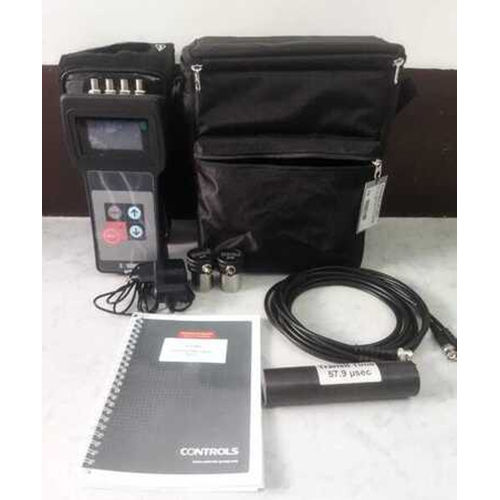
Tell us about your requirement

Price:
Quantity
Select Unit
- 50
- 100
- 200
- 250
- 500
- 1000+
Additional detail
Mobile number
Email

More Products in Civil Laboratory Testing Instruments Category

Automatic Titrator
Price 370000 INR / Unit
Minimum Order Quantity : 1 Unit
Usage : Industrial
Power Supply : Electric
Application : Industrial chemical analysis, water, pharma, food, and environmental testing
Color : Silver and Blue
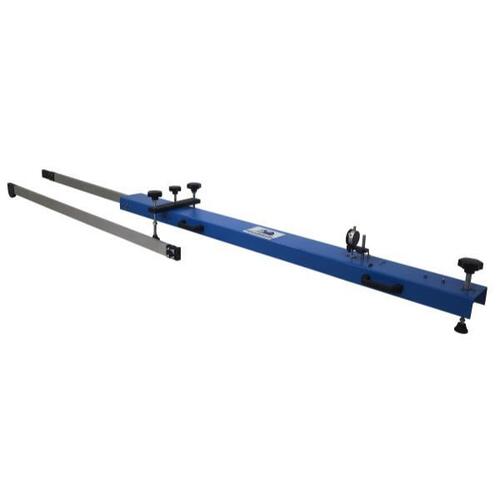
BANKELMAN BEAM APPARATUS
Price 20000 INR / Set
Minimum Order Quantity : 1 Meter
Usage : Civil Engineering, Road Construction
Power Supply : Not required (Mechanical device)
Application : Measurement of road pavement deflection
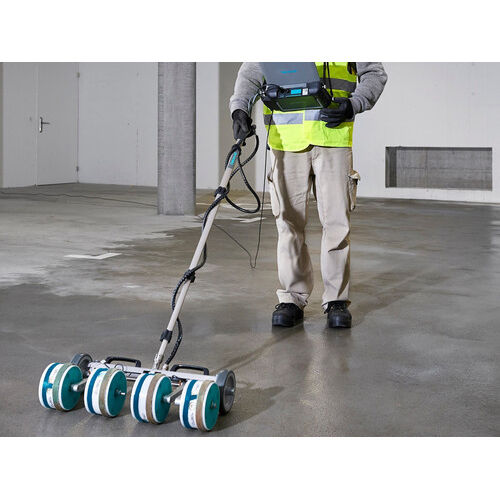
PROCEQ HALF CELL CORROSION TESTER
Price 500000 INR / Meter
Minimum Order Quantity : 1 Meter
Usage : Onsite testing of reinforced concrete structures
Power Supply : 9V Battery (typical)
Application : Corrosion potential measurement in reinforced concrete
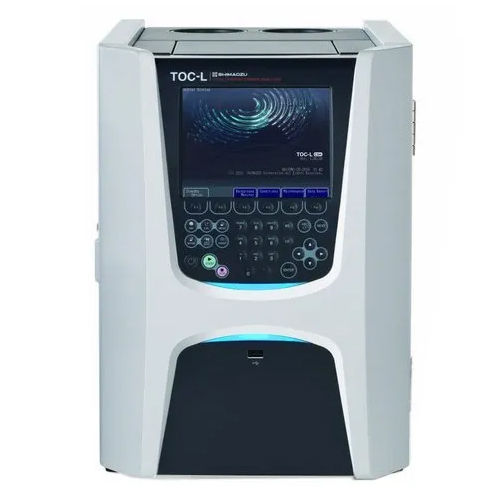
Carbon Analyzer
Price 1000000 INR / Unit
Minimum Order Quantity : 1 Unit
Usage : Industrial
Power Supply : Electric
Application : Laboratory Use
Color : White

Contact Details

- 313/7, Nabapally, Nawbhanga, Salt Lake, Sector- 4,Kolkata - 700105, West Bengal, India
- Phone : 08045476896
ADRIJA SCIENTIFIC INSTRUMENT COMPANY
GST : 19EWWPD9150E1Z1
GST : 19EWWPD9150E1Z1

- Mr. Koushik Das (Business Head)
- Mobile : 08045476896
- Send Inquiry
 Send Inquiry
 Send Inquiry
 Send SMS
ADRIJA SCIENTIFIC INSTRUMENT COMPANY
All Rights Reserved.(Terms of Use)
Developed and Managed by Infocom Network Private Limited.
Developed and Managed by Infocom Network Private Limited.

