Welcome to Our Company




 Send Inquiry
BANKELMAN BEAM APPARATUS
Price 20000 INR/ Set
MOQ : 1 Meter
BANKELMAN BEAM APPARATUS Specification
- Response Time
- Immediate
- Interface Type
- Manual
- Hardness
- Metal body of high durability
- Power Supply
- Not required (Mechanical device)
- Accuracy
- 0.01 mm
- Test Range
- 0 25 mm deflection
- Mounting Type
- Ground mount
- Measuring Range
- 0 25 mm
- Port Size
- Standard beam holder
- Resolution
- 0.01 mm
- Number of Specimens
- Single specimen per test
- Application
- Measurement of road pavement deflection
- Features
- Portable, corrosion resistant, robust construction
- Equipment Type
- Deflection Measurement Apparatus
- Max Height
- Approx. 1.5 meters
- Specimen Size
- Suitable for road pavements
- Humidity
- Operates in typical ambient conditions
- Automation Grade
- Manual
- Display Type
- Mechanical dial gauge
- Temperature
- Ambient
- Usage
- Civil Engineering, Road Construction
- Capacity
- Designed for typical road load
- Machine Weight
- Approx. 20 kg
- Test Speed
- Manual operation
- Test Width
- Applicable to various pavement widths
- Test Stroke
- Standard travel as per IS: 11819
- Control Mode
- Mechanical
- Dial Gauge
- 025 mm, precision mechanical
- Finish
- Powder-coated metal
- Transportation
- Provided with portable carrying case
- Support Stand
- Stable tripod support
- Assembly
- Easily assembled and dismantled
- Calibration
- Factory calibrated
- Beam Material
- Stainless steel
BANKELMAN BEAM APPARATUS About
The Bankelman Beam Apparatus is a laboratory instrument used to study the bending behavior of materials under load, often used for educational purposes in material science and structural engineering. Key components include a beam (usually made of steel or aluminum), loading mechanisms, and a deflection measuring system. Designed with precision engineering, it uses tools like CNC machines for beam fabrication and load cells for measurement. Industries such as construction, aerospace, and civil engineering benefit from its use in testing material strength and elasticity. It aids clients by providing reliable data for designing safer, more durable structures and materials.
Key Applications and Benefits
The Bankelman Beam Apparatus is essential in civil engineering for evaluating the structural responses of road pavements. Its robust, corrosion-resistant construction ensures longevity, while the high-precision dial gauge guarantees accurate measurements. The apparatus is portable and easy to transport, making it ideal for both field and laboratory settings. By providing immediate and accurate deflection measurements, it helps engineers assess pavement performance and durability, ensuring safer and more reliable roadways.
Simple Setup and Operation
Designed for convenience, this apparatus is quickly assembled and dismantled, facilitating prompt test setups or relocation between sites. Ground-mounting with a stable tripod ensures minimal disturbance during measurement, while manual operation allows for precise control over test parameters. The entire process requires no external power, making it suitable for remote or off-grid locations. Factory calibration assures consistent performance straight out of the box.
FAQs of BANKELMAN BEAM APPARATUS:
Q: How is the Bankelman Beam Apparatus used in road construction projects?
A: The apparatus is deployed to measure pavement deflection under static load conditions. Engineers place the beam on the pavement, apply the load, and take readings from the dial gauge to determine pavement elasticity and structural capacity, which ultimately guides maintenance and rehabilitation planning.Q: What materials and design features enhance the durability of this apparatus?
A: The Bankelman Beam features a stainless steel beam, powder-coated metal body, and a corrosion-resistant finish for long-term use. Its robust construction is specifically designed to withstand harsh field environments encountered in road and civil engineering contexts.Q: When should pavement deflection be measured using this equipment?
A: Deflection measurement is typically performed during road construction, after significant repairs, or as part of routine assessments. It helps determine the quality and structural stability of newly built or existing pavements, ensuring ongoing road safety and performance.Q: Where can the Bankelman Beam Apparatus be operated?
A: Thanks to its portable design and tripod mounting, the apparatus can be operated directly on road surfaces at construction sites, laboratories, or remote locations, requiring only ambient environmental conditions suitable for roadwork.Q: What is the process for assembling and calibrating the apparatus?
A: Assembly involves fitting the support stand, beam, and dial gauge components together, following the provided guidelines. The device comes factory calibrated to IS: 11819 standards, so no additional calibration is needed before testing, ensuring precise results from the outset.Q: How does the mechanical dial gauge enhance measurement accuracy?
A: The mechanical dial gauge provides immediate and highly accurate readings of pavement deflection, with a measuring range of 025 mm and a resolution of 0.01 mm. This allows for precise monitoring and assessment without requiring electronic components or power supply.Q: What are the primary benefits of using this deflection measurement apparatus?
A: Key benefits include high accuracy, portability, operator-friendly manual controls, and robust, maintenance-free construction. These features streamline road pavement analysis, improve efficiency in field operations, and help engineers make informed decisions regarding road safety and maintenance.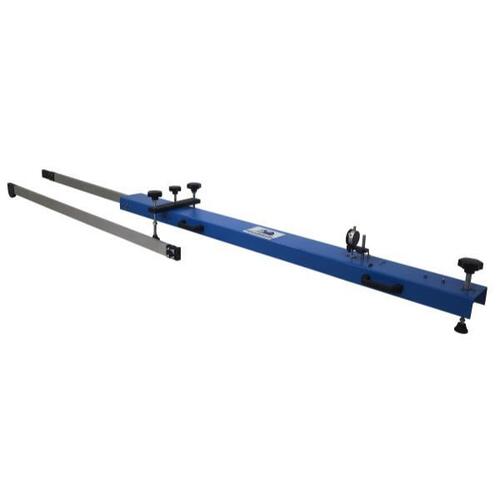
Tell us about your requirement

Price:
Quantity
Select Unit
- 50
- 100
- 200
- 250
- 500
- 1000+
Additional detail
Mobile number
Email

More Products in Civil Laboratory Testing Instruments Category
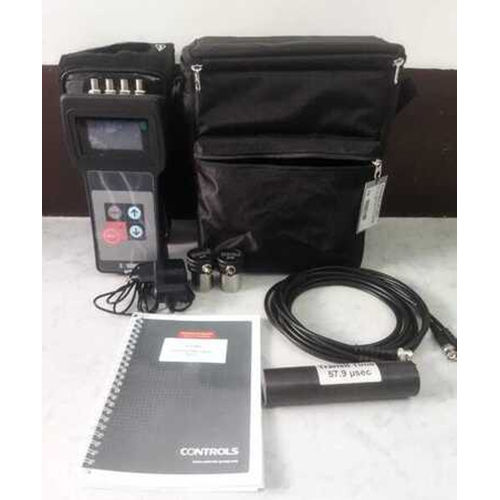
CONTROLS ULTRASONIC PULSE VELOCITY TESTER
Price 180000 INR / Kit
Minimum Order Quantity : 1 Millimeter
Power Supply : Rechargeable Liion battery, 12V DC / optional AC adapter
Usage : Material flaw detection, strength estimation, uniformity evaluation
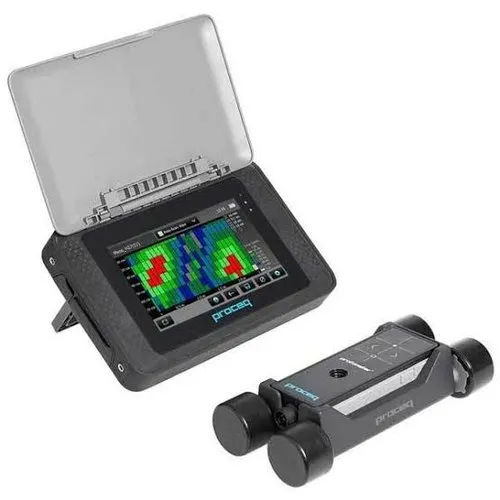
Proceq Rebar Locator
Price 525000 INR / Unit
Minimum Order Quantity : 1 Unit
Power Supply : Rechargeable NiMH battery pack or 6 AA batteries
Usage : Industrial
Material : Metal
Color : Black and Gray
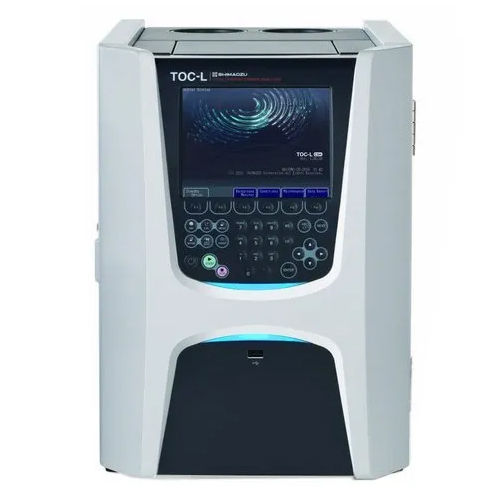
Carbon Analyzer
Price 1000000 INR / Unit
Minimum Order Quantity : 1 Unit
Power Supply : Electric
Usage : Industrial
Material : Plastic
Color : White
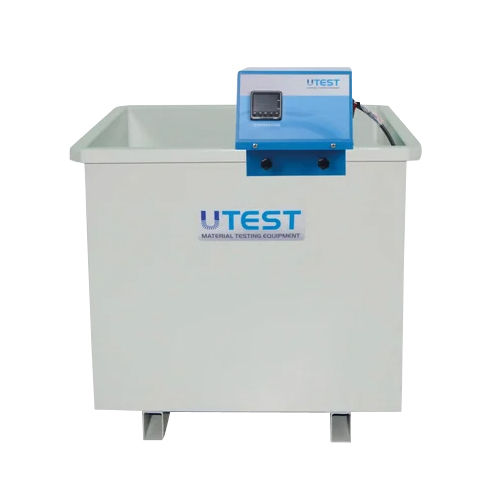
Accelerated Curing Tank
Price 110000 INR / Unit
Minimum Order Quantity : 1 Unit
Power Supply : Electric
Usage : Industrial
Material : Stainless Steel
Color : Silver and Blue

Contact Details

- 313/7, Nabapally, Nawbhanga, Salt Lake, Sector- 4,Kolkata - 700105, West Bengal, India
- Phone : 08045476896
ADRIJA SCIENTIFIC INSTRUMENT COMPANY
GST : 19EWWPD9150E1Z1
GST : 19EWWPD9150E1Z1

- Mr. Koushik Das (Business Head)
- Mobile : 08045476896
- Send Inquiry
 Send Inquiry
 Send Inquiry
 Send SMS
ADRIJA SCIENTIFIC INSTRUMENT COMPANY
All Rights Reserved.(Terms of Use)
Developed and Managed by Infocom Network Private Limited.
Developed and Managed by Infocom Network Private Limited.

